


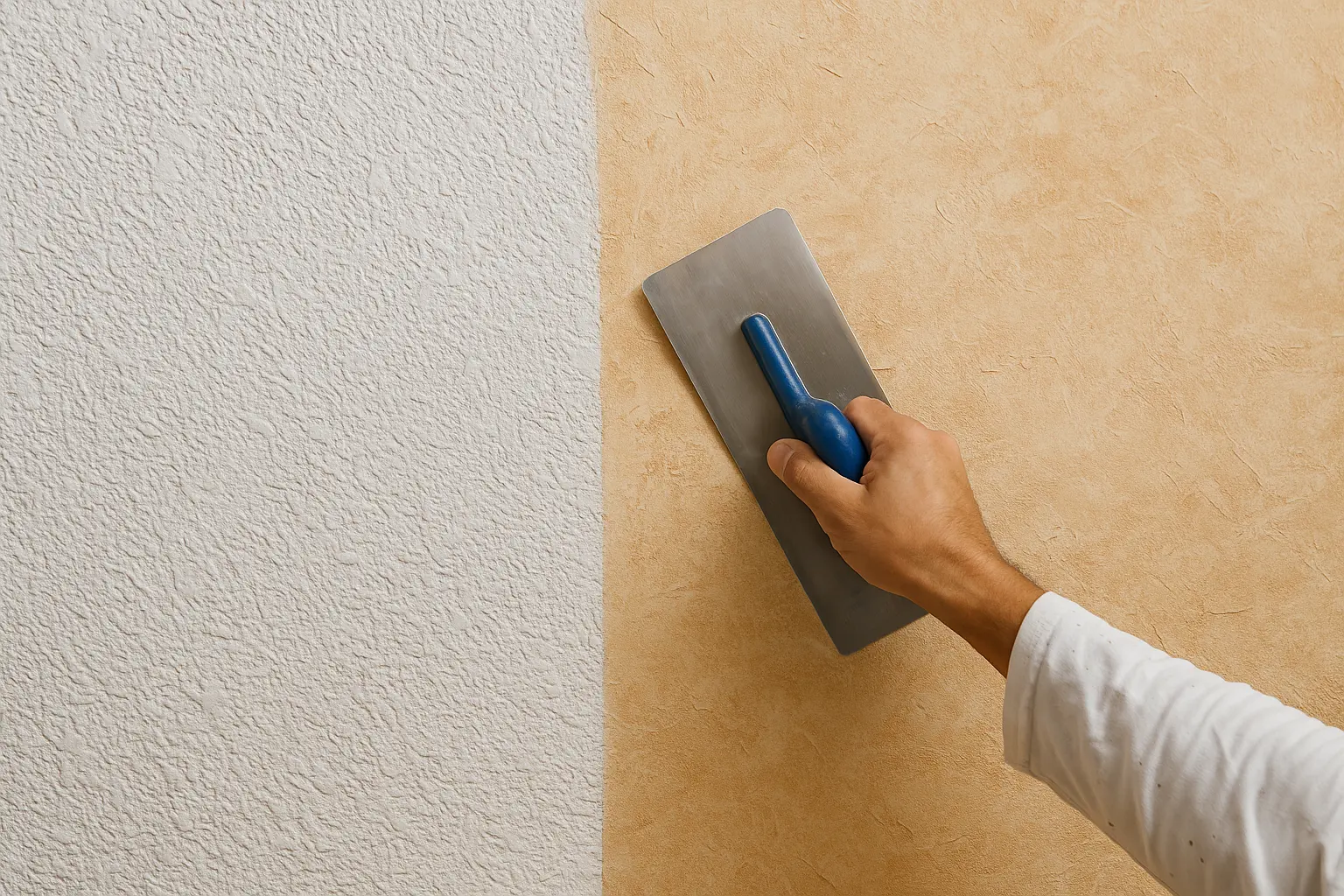
Are you thinking about giving your walls a bit of personality? Textured painting is one of those design tricks that does more than just look good—it hides flaws, adds depth, and gives your home that “just right” touch. At Quest Paintings, our residential painters in Melbourne are experts at transforming flat, tired walls into eye-catching surfaces. Whether you’re working on the bedroom, living room, or even the ceiling (yes, really), there’s a textured finish to match your vibe.
Why Choose Textured Painting?
Flat walls are fine—until they aren’t. Textured painting steps in when you want more than the basics. It conceals small wall imperfections, adds visual character, and honestly, gives your space some charm. It’s like providing your walls with a personality upgrade without knocking anything down. Careful thought must be given to every choice you make, especially when considering how light affects paint colours.
Types of Textured Painting
Not all textures are created equal. Let’s walk you through a few popular choices our Melbourne clients love. Melbourne painters are the best when it comes to the basics of residential painting.
Smooth Textured Paint
Sounds contradictory, right? But smooth textured paint means just a hint of texture—nothing too gritty or harsh. Think of it as the matte lipstick of the wall world: elegant, understated, and always in style.
Sand Textured Paint
This one’s got grit—literally. With fine sand particles mixed in, it gives your wall a grainy, rustic finish. We’ve used this to bring some desert-style warmth into urban homes. The best part? It looks intentional, even when your kids add their own “artwork.” Prior to the application of the painting, you may observe that painters are mixing everything well, something that may even affect how much it costs to paint a room.
Venetian Plaster
Luxury alert. Venetian plaster is the Chanel suit of wall finishes—classy, polished, and made to impress. Our painters layer it on in thin coats using a steel trowel, creating a rich, marble-like finish that screams “designer.”
Popcorn Texture
Remember those old-school bumpy ceilings? Yep, that’s popcorn texture. It’s still useful today when you need to hide ceiling cracks or damp spots. Plus, it absorbs sound—perfect if your teen just got a drum set.
Knockdown Texture
It’s a little messy, a little fancy. We spray the paint on first, then gently press it down with a trowel to flatten the peaks, giving your wall that signature knockdown look. It’s great for modern homes that want just enough detail to make the walls pop without being too loud.
Orange Peel Texture
It looks like you guessed it was an orange peel. Soft bumps, easy maintenance, and always a crowd-pleaser. Perfect for hallways, bedrooms, or any space that gets lots of traffic and fingerprints.
Brushed-On Texture
Our personal favorite for adding a handcrafted look. With the right brush and a little creativity, we create swirls, waves, or stippled designs. It’s all painting, but make it art. Through research, you must try to obtain the best residential painters in Melbourne for high-quality textured painting by hiring professional painters.
Where to Use Textured Paint
Think textured paint only belongs in fancy homes? Think again. It works in everyday spaces too—and here’s how:
- Living Rooms: Feature walls that wow. Sand or orange peel adds subtle drama.
- Bedrooms: Smooth or brushed textures help create a peaceful retreat after a long day.
- Dining Areas: A Venetian plaster wall under the pendant lights. Chef’s kiss.
- Kitchens: Easy-to-clean textures like orange peel keep cooking messes from becoming wall disasters.
- Bathrooms: Avoid splash zones, but elsewhere, they add a nice design touch.
- Hallways: Knockdown finishes are ideal—they hide bumps and handle busy feet.
- Ceilings: Popcorn or knockdown textures conceal imperfections and dull noise like magic.
Things to Consider Before Choosing a Texture
We get it—it’s easy to fall in love with a finish online. But hold your paintbrush. Here’s what you should think about first:
- Lighting: Texture casts shadows. What looks stunning in a bright room might feel heavy in a darker one.
- Room Size: Too much texture in a small room can feel like the walls are closing in.
- Your Decor Style: Rustic? Go for sand. Modern? Try smooth or orange peel.
- Popcorn Ceilings: Love the Look, Not the Cleaning? Here’s What to Know.
- Future Renovations: Some textures are tricky to paint over or remove. If you’re the “change it every season” type, keep that in mind.
DIY vs. Professional Textured Painting
We love a good weekend project as much as anyone. But textured painting? It’s a whole different beast. Here’s why calling us might save you more than just your weekend:
- Tools Matter: Textured painting isn’t about dipping and dabbing. You’ll need spray guns, trowels, texture rollers—and the know-how to use them.
- Prep Is King: Without proper surface prep, the texture won’t stick or will crack later. We’ve seen it happen.
- Time Is Money: What takes us a day might take you a week (and a few tears).
- Mistakes Are Expensive: It’s not easy to undo a bad texture job. Trust us, we’ve fixed a few.
- Lasting Results: When done right, textured finishes last year and keep looking sharp.
Caring for Textured Walls
Textured walls are low-maintenance, but not non-maintenance. A little TLC goes a long way:
- Keep the dust bunnies at bay with a microfiber cloth or a vacuum cleaner fitted with a soft brush—it’s quick and keeps things fresh.
- Gentle Cleaning: A damp sponge with mild soap is your friend. Dab, don’t scrub.
- Stay Away from Harsh Stuff: Skip bleach and tough cleaners—they’ll ruin the finish.
- Watch Humidity: In bathrooms, use exhaust fans to keep walls dry and mold-free.
- Keep Touch-Up Paint Handy: Small nicks are easy to fix if you use the same tool and finish.
- Refresh Every Few Years: Even the best texture can start to dull. A fresh coat brings it back to life.
Common FAQs
Q: Is textured paint good for older homes?
A: Absolutely. It hides a multitude of sins—cracks, dents, uneven patches. Like makeup, but for your walls.
Q: Can I repaint over textured walls?
A: Yes, but it’s best to stick with a similar finish unless you want to sand it all down. And no one wants that chore.
Q: Is textured paint only for walls?
A: Nope. Ceilings, alcoves, even columns—if it has a surface, it can wear texture.
Final Thoughts
Textured painting is more than a pretty face—it’s practical, affordable, and a solid way to refresh your home. Whether you’re into rustic vibes, sleek modern style, or something in between, there’s a texture out there for you.
If your walls are crying out for attention, we’re here to help. Call Quest Paintings today and let our Melbourne team help you choose a texture that truly fits your home (and your personality). Let’s make your walls worth talking about.

