



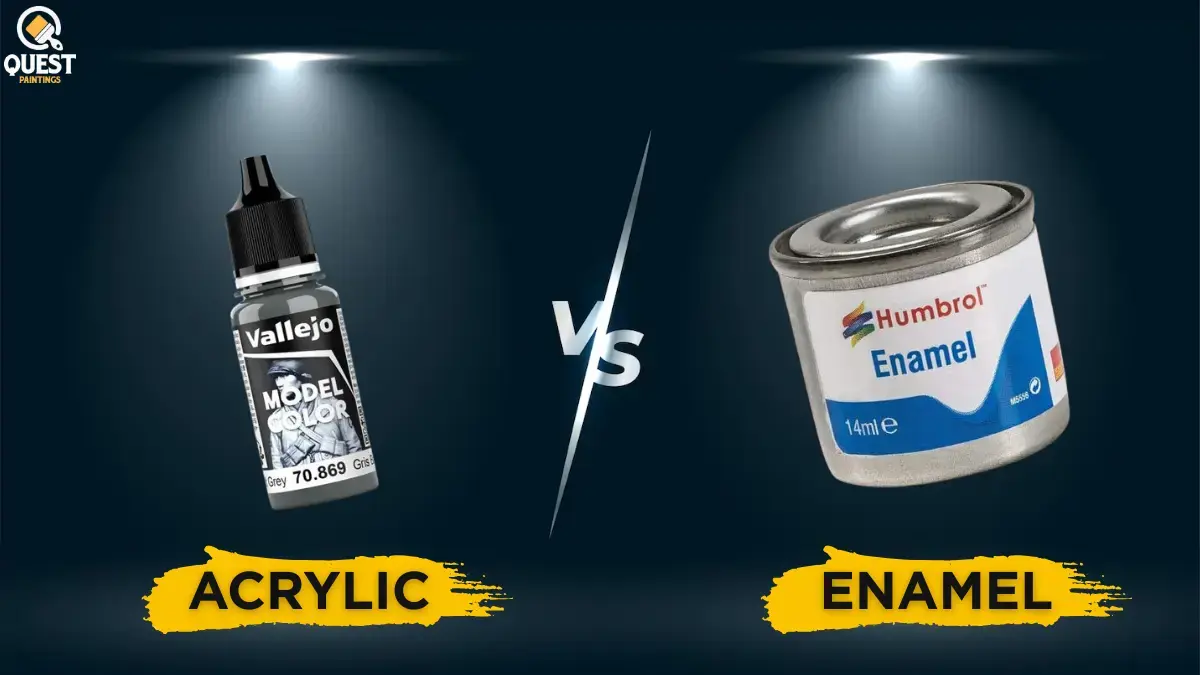
Are you thinking of painting or repainting your home? A fresh coat of paint can completely change the look and feel of any room in your home. Today, there are many types of household paints available in the market.
Both acrylic and enamel paints are versatile options that are suitable for interior and exterior walls, furniture, and a variety of other surfaces. Still not sure which type of paint to choose?
If yes, this post will help! Keep reading to learn the key differences between acrylic and enamel paints so you can make a smart and informed choice.
What is enamel paint?
Enamel paint is a type of paint that provides a glossy, opaque finish. It is durable, long-lasting, and is typically used on metal surfaces or for indoor projects. Traditionally, enamel paint has been oil-based, but water-based enamel options are now also available.
Oil-Based Enamel Paint
Oil-based enamels typically take 8-24 hours to dry completely, which begins the drying process from the inside. They have a strong odor and require paint thinner for cleanup. When applying indoors, ensure proper ventilation as they release harmful fumes.
Water-Based Enamel Paint
Water-based enamels dry faster than oil-based enamels, usually within 8 hours. They also dry from the inside out, and even if the surface feels dry, they may not be completely cured. Cleaning is easy because only water can remove them.
Enamel paint works well on copper, metal, glass, wood, plastic, and walls. It resists moisture and is ideal for surfaces that need frequent washing.
What is acrylic paint?
Unlike enamel, acrylic paint is completely water-based and non-toxic. It dries quickly and provides a thick, opaque layer, allowing for multiple coats and easy correction of mistakes.
When dry, acrylic paint has a matte finish, but you can varnish it for a glossy look. It is durable, resists cracking, fading, or chipping, and can be used both indoors and outdoors on furniture, walls, or ceilings.
Also known as latex paint, acrylic paint never fully hardens, making it susceptible to moisture swelling. Apply acrylic paint to surfaces with good air circulation.
What is the difference between enamel and acrylic paint?
| Feature | Enamel Paint | Acrylic Paint |
| Base | Mostly oil-based | Water-based |
| Yellowing | Can yellow over time indoors with low sunlight | Does not yellow over time |
| Drying Time | 6–24 hours | 2–3 hours |
| Finish | Glossy | Matte |
| Color Variety | Limited colors, mostly main shades | Available in almost every shade and hue |
| Durability | Long-lasting, resists cracking and fading | Less durable, can show brush marks |
| Flexibility | Less flexible, can crack outdoors | Flexible, better for outdoor use |
| Cleaning | Requires paint thinner | Clean with water and soap, eco-friendly |
| Surface Appearance | Smooth and glossy | Brush marks visible, can get dirty easily in high-traffic areas |
| VOC Content | High (over 300 grams/litre), toxic | Low (under 50 grams/litre), non-toxic, eco-friendly |
Check Also: Ceiling Paint vs Wall Paint: What are the main differences?
Cleaning
Acrylic paints offer the big advantage of being easy to clean using just soap and water. This makes them perfect for quick projects and reduces the need for harsh chemicals. On the other hand, enamel paints require specific solvents, such as mineral spirits, to clean properly. While this process is more involved, it is essential to maintain their long-lasting finish. For all your painting projects, explore our collection of paint brushes and cleaning supplies.
Health and Safety Considerations
Acrylic paints are mostly non-toxic and emit very little odor, making them safe for use indoors and around children. They work well for hobbyists who focus on safe and healthy painting practices. However, enamel paints contain VOCs (volatile organic compounds), so good ventilation and protective gear are essential during use.
For a safe painting experience, check out our range of painting accessories, including gloves and masks.
Making a Choice
The choice between acrylic and enamel paints for miniature painting depends primarily on the painter’s style, the needs of the project, and the environment in which you work.
For fast-paced projects or techniques that involve layering, acrylics are usually preferred because they dry quickly and are easy to handle.
For miniatures that require a strong, glossy finish or detailed blending, enamels may be a better option due to their durability and slow drying time.
Regardless of which paint you choose, both can produce amazing results when used by talented painters. Trying both types is a great way to learn how they behave and see how each can improve your miniature painting projects.
Keep in mind, none of these are one-or-the-other situations. Many miniature painters, including myself, enjoy using both paints together.
Transform your home with Quest Paintings
At Quest Paintings, we make homes fresh and beautiful. Our team of residential painters, exterior painting and house painting experts. Whether you want to brighten up your living room, give your home a new look from the outside, or freshen up your roof, we do it all with care and quality. We also offer professional painters Brighton for businesses that need a clean, professional finish. Let Quest Paintings help brighten up your home or office with your favorite colors!
Conclusion
Enamel and acrylic paints both offer different benefits and are suitable for different types of projects. Enamel paint provides a hard, glossy finish and excellent durability, making it ideal for areas with heavy use and exterior surfaces. Acrylic paint, known for its fast drying time, flexibility and user-friendly nature, works best for creative projects and tasks that require a quick turnaround. Identifying these important differences between enamel and acrylic paint will guide you in choosing the right paint for your project, ensuring the most effective results for your specific needs.
Continue Reading: How to Painting Terracotta Tile Roofing: A Complete Guide
FAQs: Frequently Asked Questions
Q1. Can you apply oil-based paint over water-based paint?
Yes, you can apply oil-based paint over any type of existing paint, including water-based paint. The use of a primer is not necessary for this process. Start by cleaning the surface with a dry cloth and a mild detergent, making sure the area is completely dry. Then, apply the oil-based paint. It is better to use a few thin coats rather than one thick coat to get an even finish.
Q2. Can you paint enamel over enamel paint?
You can easily apply enamel paint over an existing enamel surface without applying a primer first. Be sure to clean and lightly sand the surface to remove any imperfections and reduce shine. After that, it is ready to paint.
However, if you are switching from a dark color to a light color, it is a good idea to apply one or two coats of latex binder primer. This prevents the darker color from showing through and ensures that the new shade looks vibrant and fully covered.
Q3. How to tell if the paint is oil-based or water-based?
To identify whether the paint on your surface is oil-based or water-based, try this simple test. Take a cotton ball or soft cloth soaked in rubbing alcohol and rub a small area.
If the paint does not rub off easily, it is oil-based. In that case, you should apply a bonding primer before repainting.
If the paint rubs off easily, it is water-based. You can start repainting the surface with any type of paint without applying a primer.
Q4. Can you paint acrylic over enamel paint?
You can use acrylic paint over enamel, but proper surface preparation is required. Applying only water-based paint to enamel will not adhere well, and the enamel’s glossy finish can quickly fade.
Clean the surface with a soft cloth and detergent. Then, sand it lightly to remove the shine and create a smooth texture. Apply a few thin coats of latex primer to the enamel, allowing each coat to dry completely before applying the next. Once the primer is completely dry, you can paint with acrylics for a durable and even finish.

