



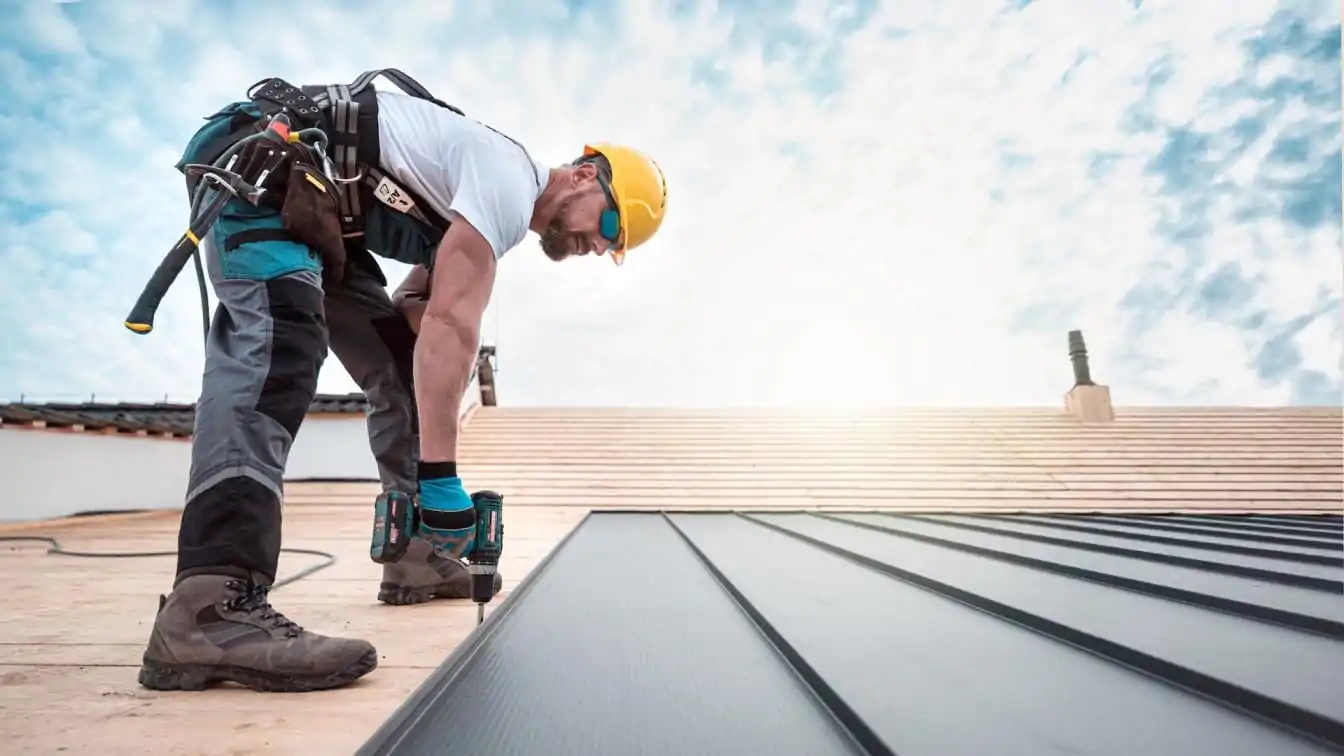
Ever tried icing a cake with your eyes closed? That’s what roof painting feels like if you don’t know the right roof paint thickness. At Quest Paintings, our experienced roof painters in Melbourne take all the guesswork out of it. We measure, apply, and double-check so your roof gets the finish it deserves—flawless, protective, and built to last.
Understanding Roof Paint Thickness
Think of paint thickness like a good winter jacket. Too thin, and you’re freezing. Too thick, and you’re sweating bullets. Roof paint works the same way. We’re referring to dry film thickness (DFT)—the final layer once the paint dries. It’s measured in mils, where 1 mil equals 0.001 inches. Most roofs perform best with a thickness between 10 and 20 mils, but this can vary depending on the product used.
Get it right, and your roof stays stylish and sturdy. Get it wrong, and you’ll be back on the ladder before long. If you’re not sure which colour or type of roof paint to go for, this guide helps you understand why painting your roof in different colours might be a smart move.
Why Correct Thickness Matters
Paint isn’t just for looks. When applied at the right thickness, it acts like a shield, defending against Melbourne’s ever-changing weather and standing strong through scorching summers and soggy winters.
- Durability: A solid coat protects against wear and tear.
- Weather resistance: UV rays, rain, or hail—your roof can handle it.
- Aesthetic finish: Smooth and even layers mean zero blotchy patches.
- Cost savings: No overuse, no waste, no do-overs.
Tools Used by Roof Painters in Melbourne
You wouldn’t stir soup with a screwdriver—so don’t paint a roof without the right tools. We rely on thickness gauges to ensure accuracy:
- Magnetic gauges: Great for metal surfaces. Quick, simple, reliable.
- Ultrasonic gauges: Ideal for non-metal roofs. Fancy but precise.
These tools help us measure both wet and dry thickness. Because what looks perfect while wet might dry flat like a pancake.
Measuring Roof Paint Thickness – Step-by-Step
Let’s walk through how to get it just right—no guessing, no eyeballing:
Step 1: Pick the right tool
Just like choosing between a paintbrush and a roller, the surface determines the tool.
Step 2: Calibrate it
Every good tool needs a tune-up before action.
Step 3: Measure wet film
This is the “catch it before it dries” moment.
Step 4: Let it dry completely
Don’t rush this step. Paint needs time to settle in and do its job.
Step 5: Measure again (DFT)
It’s time to see what stuck.
Step 6: Check different spots
Don’t assume one patch tells the entire story.
Step 7: Record and compare
Because “I think it’s fine” isn’t good enough.
When to Measure Roof Paint Thickness
Paint doesn’t last forever—and neither do shortcuts. Here’s when to pull out that gauge:
- Before painting: Think of it as a health check for your roof.
- During painting, Live readings keep things on track.
- After drying, Final results matter more than first impressions.
- Annual checks: Catch the early signs before damage sets in.
- Before warranties end: Better safe than stuck with a surprise.
- Property transactions: Whether you’re buying or selling, knowing the roof’s condition can tip the scales on a big decision.
To know what else to expect during a roof paint job, read what professional roof painters in Melbourne deliver.
Common Paint Types and Their Thickness Standards
Not all roof paints behave the same. Some glide on like a dream, while others require more effort to lay down evenly:
- Acrylic: Popular, easy to work with, and dries to 10–16 mils. Like the denim of roof paints.
- Elastomeric: Stretchy and strong. Excellent for movement. Needs up to 20 mils.
- Silicone: High-performance and weather-resistant. Thick and proud at 20–30 mils.
- Bitumen-based: Rugged material for flat roofs. Often 25+ mils and up for the challenge.
Rule of thumb? Always read the label. It’s not just fine print—it’s the roadmap. Want better results from your next paint job? This the roof painting tips that homeowners in Melbourne swear by.
What Affects Paint Thickness?
Ever tried making soup and ended up with stew? Paint behaves the same way—small changes can really shift the outcome. Here’s what affects the final coat:
- Application method: Sprayers give smooth finishes. Brushes can leave streaks.
- Number of coats: Two light layers beat one heavy-handed mess.
- Weather: Hot days make paint flash-dry. Humid days drag things out.
- Surface type: Rougher roofs absorb more paint.
- Paint viscosity: Thicker paint goes on heavier. Don’t water it down too much.
- Skill behind the brush: Experienced painters know when to recoat and when to call it perfect.
Choosing the right team makes all the difference. Here’s how to pick a roofing contractor you can trust.
Signs of Incorrect Roof Paint Thickness
If your paint starts acting funny, it might be trying to tell you something:
- Too thin: Peeling, fading, or “Was this even painted?” vibes.
- Too thick: Bubbling, cracking, or flaking like an old croissant.
Better to get it measured than to guess and stress.
Expert Tip: Wet Film Thickness Cards
These handy little cards have notches along the edge and are great for the job. Press one into the wet paint, see where it touches, and instantly know the thickness of your layer. It’s a quick trick that keeps the entire job on point without the fuss.
Trust Roof Painting Experts in Melbourne
You’ve got enough on your plate—leave the paint drama to us. At Quest Paintings, we don’t just slap on a coat and walk away. We stick with it—from prep to polish—so you don’t have to worry about a thing.
We:
- Use certified tools.
- Follow real-world guidelines.
- Train our painters to do it right the first time.
Final Thoughts
Roof Paint thickness might not be the first thing on your mind, but it should be. Like sunscreen for your roof, it only works if you apply it correctly. Get it too thin and you burn. Too thick, and it clogs the pores.
Need a team that gets the balance just right? Our Melbourne roof painters at Quest Paintings are trained to get it right the first time—because your roof deserves no less.

