



This peeling paint guide has been updated with new insights into the causes, professional fixes, and top prevention tips. If you’re suffering from peeling, cracking, or chipping paint, this guide will help you find the root cause and achieve long-term results for your walls and ceilings.
Peeling or chipping paint isn’t just unattractive—it’s often a sign of underlying problems like moisture damage, inadequate surface preparation, or extreme temperature changes. Ignoring it can cause further damage, leaving surfaces vulnerable to mold, mildew, and structural weakness.
What is peeling paint?
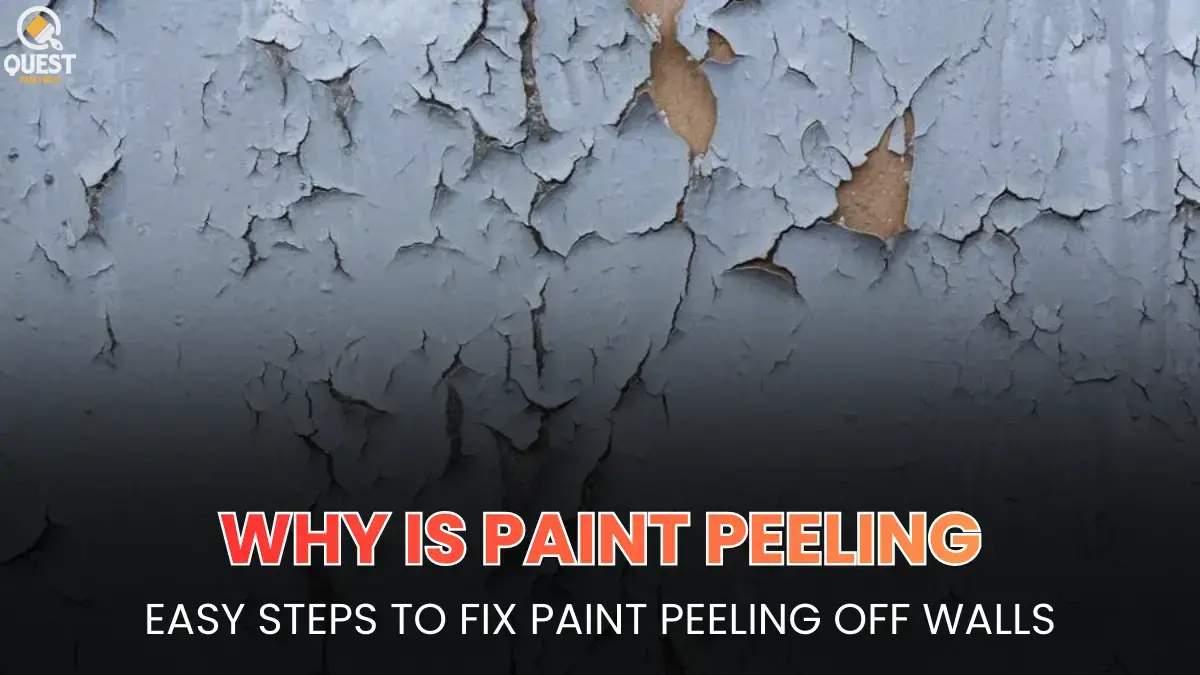
Peeling occurs when paint separates from the surface it was applied to. This can appear as small cracks or large flakes and is usually caused by moisture damage or poor adhesion to the surface. Once the paint loses its hold, it slowly begins to peel off the walls in larger and larger pieces.
You’ll often see this problem in older homes and on surfaces like plaster ceilings, brick walls, wood decks, window frames, siding, and drywall. Areas with high humidity can also trigger peeling paint.
Many people ignore bubbling or flaking paint, but paint plays a key role in protecting surfaces from the elements. This is especially important for exterior areas like trim, siding, and decks that are regularly exposed to sun, wind, and rain. When peeling paint is removed, the surface underneath becomes more susceptible to wood rot, mold, and mildew.
5 Common Causes of Peeling Paint
So, how do you figure out why your paint is peeling? Paint can peel for a number of reasons. In this section, we’ll cover the most common causes:
1. Moisture and Humidity
One of the main causes of peeling paint is moisture or water affecting the surface. This usually happens when water seeps into the wood or wall behind the paint. It separates the paint from the wall and pushes it through the painted layer.
Rooms with high humidity, such as bathrooms, kitchens, and laundry areas, are often more susceptible to peeling paint. High humidity due to poor ventilation can also cause moisture to build up, causing the paint to fail.
2. Poor Surface Preparation
Failure to properly prepare the walls will almost always lead to blistering or peeling paint. If the walls are dirty or greasy before painting, the paint will peel in no time.
It’s very important to thoroughly wash the walls with hot, soapy water before painting. Using a high-quality primer is just as important, as it helps the paint adhere properly to the wall.
Some DIY painters skip priming altogether, while others choose the wrong primer for the paint and wall type. Hiring a professional painter will ensure that you get the right primer and are set for a durable finish.
3. Improper application or expired paint
Applying the wrong type of paint, using expired paint, or painting too thickly can also cause peeling. With so many paint options available, it can be difficult to choose the right paint for your walls. Always check the expiration date if you are using leftover paint.
A skilled painter can guide you in choosing the right paint for your project and applying it properly. They know how to thin the paint to make it last for years. If you are unsure about applying paint in the right layers, contact a professional.
4. Environmental Factors
Even when you do everything right, outside factors can cause paint to peel. Environmental conditions play a big role and should be considered when painting different areas.
Prolonged exposure to sunlight and heat can weaken the adhesive properties of paint, causing it to dry too quickly. Similarly, paint on very dry walls can dry out and start peeling faster than expected.
5. Surface-Specific Challenges
The type of surface you are painting can also cause peeling problems. Some types of wood contain natural oils that prevent paint from sticking properly, making proper priming necessary.
Some materials, such as concrete, can react with certain paints or primers. These reactions can weaken the bond, causing the paint to start peeling faster than expected.
Recommended to Read: How to Whitewash Brick: A Step-by-Step Guide
Step-by-Step Guide: How to Fix Peeling Paint
Now that you understand why your paint is peeling, it’s time to tackle the problem head-on! If you’d rather call in a professional, we’re always here to help. Otherwise, follow these steps to fix your peeling paint yourself:
Prepare your surface – Use the right tools, such as a putty knife or scraper, to remove the peeling paint (sanding may be necessary for larger areas). Then, clean the wall to remove dust, mold, and any grease.
Repair any damage – Repair any damage to the wall before painting. Fill deep cracks or holes with a wall filler or spackling compound. Let it dry completely, then sand the area to make it smooth.
Prime your wall – Apply a suitable, high-quality primer designed for your wall type to ensure lasting results.
Apply a new coat of paint – Choose a quality paint (unfinished) that matches your surface and environment. Use a brush or roller for even coverage and apply two coats, waiting for the first coat to dry before adding a second coat.
Inspect your work – Look for any imperfections, and if necessary, lightly sand and apply a final coat for a flawless finish.
Finishing Coat
There are many reasons why your home’s interior or exterior paint may be peeling, so it’s important to be fully prepared before you start painting. Even a small mistake can lead to a spill, and with all the effort and time invested in painting, you want it to be perfect the first time.
If you’re looking for a professional painting service to ensure your paint is applied correctly, the team at SG Coatings is ready to help. We pride ourselves on providing exceptional residential painting services and guarantee that your paint will go on smoothly and flawlessly, without chipping or flaking. Our detailed maintenance packages also ensure that your paint stays in top condition with regular touch-ups so that any minor repairs can be handled quickly.
With years of hands-on experience, our team is known for providing high-quality, affordable paint jobs that last. If you would like to book a free design consultation or get a free painting quote for interior or exterior painting in Bayside, Mornington Peninsula or South East Melbourne, contact us today.
Transform your home with Quest Paintings
At Quest Paintings, we make homes fresh and beautiful. Our team specializes in interior painting, exterior painting, and roof painting. Whether you want to brighten up your living room, give your home a new look from the outside, or freshen up your roof, we do it all with care and quality. We also offer Trusted Painters Aspendale for businesses that need a clean, professional finish. Let Quest Paintings help your home or office shine with your favorite colors!
Further Reading: Roof Repointing: What Is it, Process & How Much Does it Cost?
FAQs: Frequently Asked Questions
Q1. What does peeling paint look like?
Peeling paint usually appears as raised or peeling patches on walls or ceilings. In severe cases, the paint can sag or form deep cracks.
When a thick coat of paint is applied to a porous surface, the paint can begin to crack. It’s common for enthusiastic homeowners to over-apply the first coat, but this often leads to problems later. The paint may begin to bubble or blister because it contracts and expands at different rates.
Q2. Should I remove peeling paint before repainting?
Absolutely! Skipping this step will result in a rough and uneven paint finish. You’ll need to remove all loose and peeling paint before adding a fresh coat. Even if you’re not repainting, removing peeling paint can help protect your surfaces from further damage.
Q3. Why does peeling paint start to peel?
A common cause is condensation, which occurs when warm, moist air touches a cold surface. This can be caused by leaky pipes, poor ventilation, or being near a water source.
As with wall paint, you need to clean up any cracked paint by scraping, sanding, and patching. It’s also a good idea to check the room above your ceiling for any signs of water damage.
Q4. Why can’t I just ignore the paint?
Because it will continue to spread and damage your walls or ceiling. Peeling paint isn’t just a cosmetic problem—it can also be dangerous if it contains lead. If you suspect lead paint, hire a professional to safely test and remove it.

