



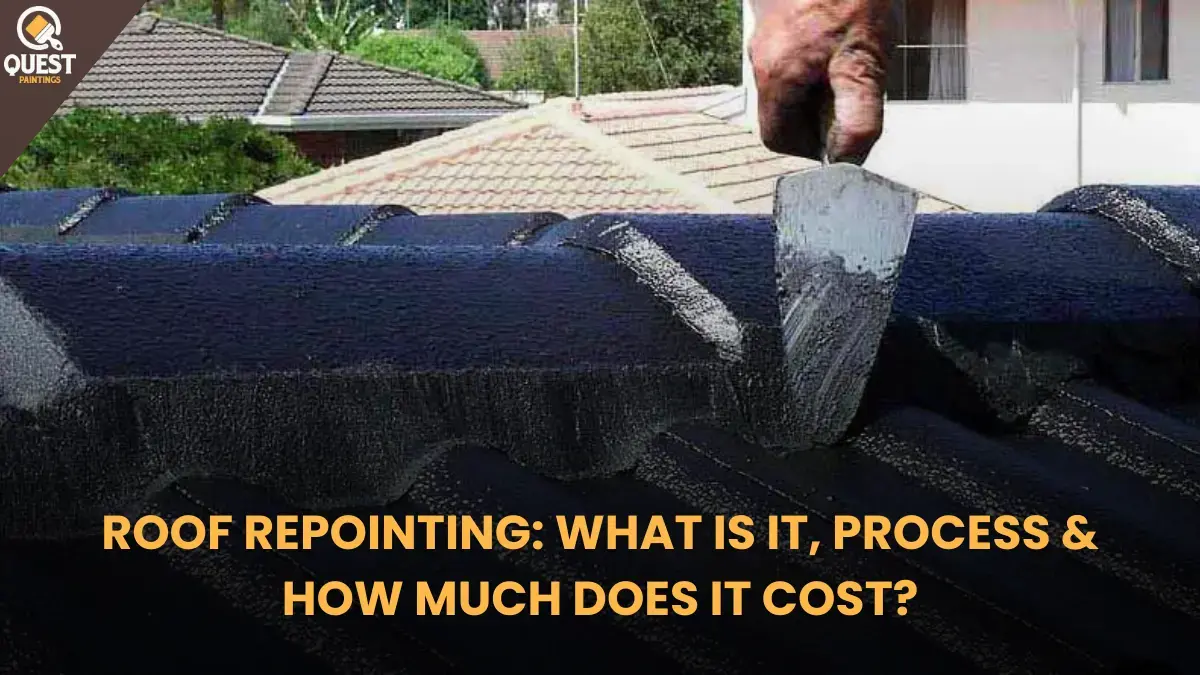
Your roof plays a key role in keeping your home safe, protecting your family from rain, heat and high winds. But after years of battling harsh weather, the mortar that holds your roof tiles together can gradually weaken or break.
That’s when roof repointing becomes essential. In this article, we’ll explain what roof pointing actually is, why repointing is important, and how you can identify if your roof needs this important maintenance task.
If you’ve recently noticed strange cracks appearing in the mortar around your ridge or cap tiles, you’re certainly not alone. In many cases, this is because the roof pointing has worn away, become loose or shifted – a very common problem seen in tiled roofs in Adelaide. The good news is that trained roof restoration specialists in Adelaide can quickly inspect and repoint your roof.
In this blog, we will guide you through a complete overview of roof pointing and repointing costs in Adelaide. Whether you are just starting to gather the details or are preparing to hire a professional, this post will help you understand everything you need to know about the roof pointing and repointing process.
What is Roof Pointing?
Roof pointing is the use of a special pointing compound to fill and secure the space between roof tiles and ridge caps. This layer sits on top of the cement bedding and adds extra strength, support, and protection to the roof structure.
Modern pointing products handle weather changes well and flex with the roof’s natural movement due to temperature changes or slight structural adjustments.
In the past, people used standard cement for pointing, but it often cracked as the roof aged. Today’s flexible pointing materials last longer, remain intact, and give the roof a neater, cleaner finish.
Benefits of Roof Repointing
Roof repointing brings many important benefits that improve both the performance and appearance of your home. These include:
Prevents water damage
The biggest benefit of roof repointing is its role in preventing water damage. When mortar joints crack or wear out, water can seep in and cause leaks or moisture problems inside your home. By renewing the mortar, you create a tight, protective seal that keeps your home safe from water-related problems.
Extends the life of your roof
Regular repointing helps extend the overall life of your roof. When mortar begins to break down, it weakens the structure of your roof and can lead to bigger problems over time. By addressing the problem early with repointing, you avoid costly repairs and help your roof last longer.
Enhances aesthetic appearance
A new repointed mortar can make a big difference in how your roof looks. Worn-out mortar often makes a roof look dull and neglected, affecting the overall appeal of your home. Repointing gives your roof a clean, well-kept, and attractive finish, giving it a fresh look.
Strengthens the roof structure
Repointing improves the bond between roof tiles, increasing the strength and stability of the roof. This extra support helps your roof withstand harsh weather, including heavy rain, high winds, and temperature changes, while reducing the chance of tiles shifting or coming loose.
Improves energy efficiency
A properly maintained roof helps your home stay energy-efficient. By blocking water and keeping the roof strong, repointing supports insulation and reduces unwanted heat loss or heat gain. This can help reduce your heating and cooling costs over time.
Reduces long-term costs
Fixing mortar problems early helps you avoid bigger problems later. By choosing repointing now, you prevent the need for major repairs or a complete roof replacement. This smart, proactive step saves money in the long run by preventing small problems before they become a problem.
How is roof pointing repaired?
Roof restoration usually involves a new ‘point over’, where a new layer of material goes on top of the old sand and cement. This new pointing layer is around 3-4mm thick and remains very strong. Roofers can use a grinder fitted with a diamond blade to clean up uneven areas and create a smooth surface for a strong bond.
Roofers vs. Bedding Explained
Many people believe that contractors remove cap tiles when building a roof, but this is rarely the case. In most cases, roofers leave the cap tiles in place and apply a coat over the existing pointing to avoid the mess and extra work that comes with lifting tiles. Only on severely damaged roofs do roofers lift the cap tiles to repair the area.
Roofers call this whole process re-bedding. The bed is a large mixture of sand and cement that sits under the cap tile and cannot be seen from above. When this bed fails completely, roofers lift the cap tiles and re-build them. But this takes more labor and therefore costs extra. Because of this, a complete re-bedding is only done when it is truly necessary.
Read More: Why Is Paint Peeling? Easy Steps To Fix Paint Peeling Off Walls
Why do you need to repoint your roof?
As explained earlier, your roof is exposed to harsh weather conditions every day, and this constant exposure gradually breaks down the mortar that holds the tiles in place. When the mortar cracks or wears away, small gaps form and allow moisture to seep in, which can lead to leaks, wet patches, and long-term structural problems.
When you schedule regular roof pointing, you can prevent these problems before they become serious and protect the overall health of your roof. It’s always a good idea to have a roofing professional inspect your roof and determine if the roof needs to be repointed.
| Reasons for Repointing | Explanation |
| Weathering & deterioration | Mortar joints weaken due to constant weather impact. Repointing a roof helps keep the structure strong. |
| Water Leaks | Broken mortar lets water enter, leading to leaks. Repointing a roof helps avoid moisture damage. |
| Structural Stability | Damaged mortar reduces the roof’s stability. Pointing a roof strengthens the structure and keeps it firm. |
| Aesthetic Enhancement | Old or faded mortar spoils the appearance of the roof. Repointing a roof refreshes its overall look. |
| Longevity & Cost-Saving | Timely repointing a roof increases its lifespan and saves you from expensive repairs or early replacement. |
How much does roof repointing cost?
The cost of roof repointing depends on several important factors, such as the size of the roof, the level of damage, and the materials used. In most cases, you can expect to spend around $120 to $170 per square meter for roof repointing. This amount typically includes removing old mortar, applying fresh mortar, and completing any necessary cleanup.
Factors Affecting Cost
A number of factors can affect the final cost of roof repointing. These include:
Roof size and complexity: Larger roofs or roofs with more detailed layouts typically cost more to repoint. The amount of mortar needed and the time required to complete the job can affect the overall cost.
Accessibility: Roofs that are difficult to reach or require additional safety precautions may charge more. For example, sloped roofs or roofs with limited access may require special equipment or additional labor.
Area of Damage: The condition of the mortar joints also plays a major role in the total cost. If the damage is extensive or hidden problems are found during the inspection, the repointing cost may increase.
Additional Repairs: If the inspection reveals other problems, such as cracked tiles or structural concerns, additional repairs may be required. These additional repairs can increase the total cost of the repointing project.
Repointing Process
A standard repointing job typically includes the following steps:
Roof Inspection
The team inspects the roof to understand the condition of the existing mortar.
Cleaning the area to be repointed
They properly clean the surface to ensure that the new mortar adheres well.
Removing the old pointing (if necessary)
Workers scrape away loose or damaged mortar if it is not holding the tiles firmly.
Applying new pointing material
They apply fresh pointing material to secure the tiles and fill any gaps.
Curing Time (usually 24-48 hours, depending on the material)
The new mortar needs time to set and harden, which can take a day or two.
Depending on the size of the roof and how much repair is needed, the entire job can take anywhere from a few hours to two days
Transform your home with Quest Paintings
At Quest Paintings, we make homes fresh and beautiful.Our team of commercial painters, exterior painters, residential painters, and home painting experts. Whether you want to brighten up your living room, give your home a new look from the outside, or freshen up your roof, we do it all with care and quality. We also offer professional house painters Rowville for businesses that need a clean, professional finish.
Conclusion
Roof pointing and repointing play a vital role in keeping your roof strong, safe and protected from harsh weather. When you address minor issues in a timely manner and choose skilled professionals, you can avoid costly repairs, reduce future damage and keep your home looking neat and well-maintained. Whether your roof needs a few touch-ups or a full repointing service, contact Refresh Roof & Exterior Restoration on the Gold Coast for reliable help.
Also Read: Colorbond Vs Tile Roof: Which Is Better? How To Select the Right Roofing Supplies
FAQs: Frequently Asked Questions
Q1. What do you use to point a roof?
Most people use cement mortar to point a roof. In recent years, many people have also started choosing flexible pointing compounds. These new materials adapt to changing temperatures, which helps them move naturally as the weather changes.
Q2. Do roof tiles need pointing?
Yes, roof tile pointing is important because the bedding under the tiles gradually wears out or cracks. Pointing is a layer of mortar placed over the bedding and around the tiles. It holds the tiles tightly, closes small gaps and prevents water or dust from entering through cracks.
Q3. What is rebedding a roof?
Rebedding means removing the old mortar under the ridge tiles, properly securing the ridge caps so that they continue to support the roof tiles, and then reapplying fresh mortar. You usually need to rebed when the old mortar is loose, weak, or badly cracked.
Q4. How often should you repoint a roof?
Experts recommend repointing your roof every 10 to 15 years. However, you should still pay attention to early signs of cracks, loose mortar, or shifting tiles, as these signs could mean your roof needs to be repointed sooner.
Q5. Why are roofs pointed?
Sloped roofs are built to withstand heavy winds, rain, snow, and ice. Their triangular design keeps them strong, stable, and able to drain water easily, which protects your home and maintains proper drainage.

