



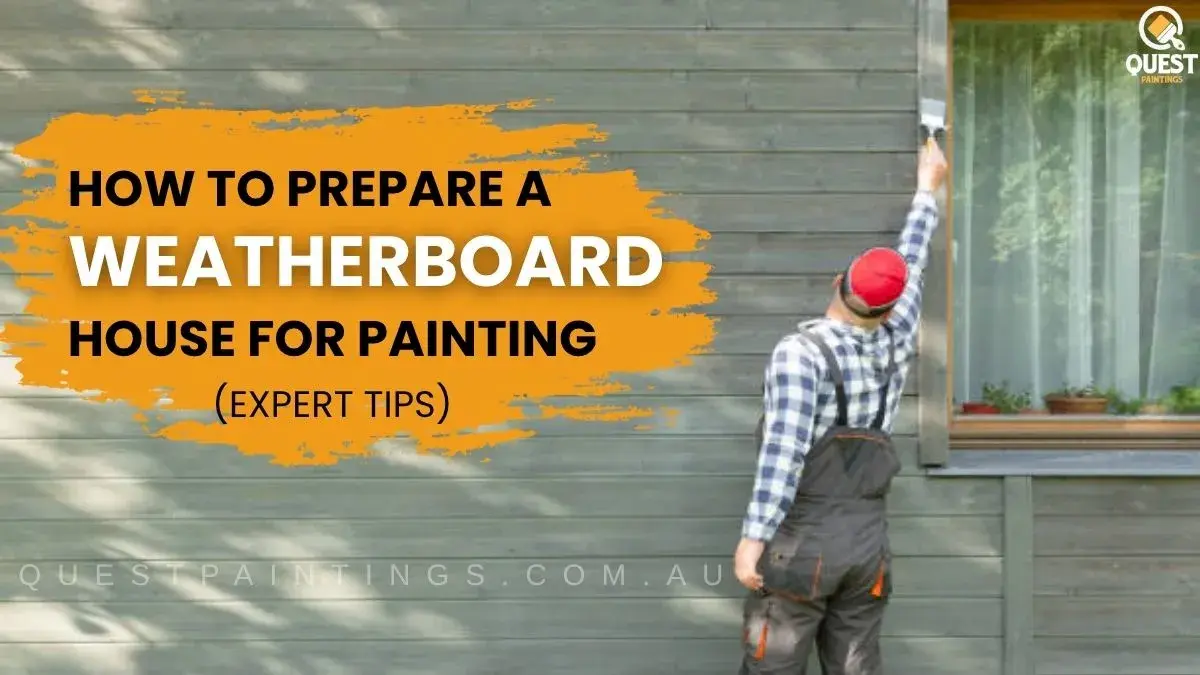
Weatherboards are strong and will last for years, but in Australia they have to withstand harsh weather conditions. Over time, they can lose their fresh look and may require some care. The easiest way to give your home a quick makeover is to paint your weatherboards. A fresh coat of paint not only enhances the look of your home but also adds a layer of protection that helps keep it in good condition for a long time.
Choosing the right paint for the job is very important. Good quality weatherboard paint will protect your surfaces from the sun, rain and dust, while also making future touch-ups easier. With the right effort and materials, your home can look fresh, clean and well-maintained again.
What Type of Paint to Use on Weatherboarding
Before you start your project, think about what type of finish you want for your home’s exterior. Resene Lumbersider Low Sheen is an Eco Choice-approved paint that works great for many outdoor tasks, including weatherboarding. Its low sheen helps hide minor surface imperfections. Resene Sonics 101 is a semi-gloss exterior paint that provides a smooth, clean look and makes details like fretwork stand out. Semi-gloss finishes are also easier to wash off than low-sheen finishes. For wood trim, doors, or joinery, Resene Lustakryl Semi-Gloss is a good option. If you want a glossy look, choose Resene Anamacryl or Resene Super Gloss instead.
Why Choose Resene?
Choosing Resene for your weatherboarding is a smart move. While cheap paint may look attractive, it often costs more in the long run. Resene paints are quality and last longer between repaints, while also providing a smooth, uniform finish in just two coats. Exterior paints like Resene Lumbersider Low Sheen, Resene Sonics 101 Semi-Gloss, and Resene High-Gloss are specifically designed for the harsh climates of New Zealand and Australia. They can easily handle strong UV rays, heavy rain, humidity, and large temperature changes.
Keep in mind that even if other brands say they can match the color, they are usually using lower quality paints and tinters. This can affect the appearance and durability of your project. Resene uses its own unique tinter and paint formulas that are designed to work perfectly together. No other brand can truly match the same depth of color or finish without using genuine Resene paints and tinters.
Step-by-Step Guide: How to Paint Weatherboards — Complete DIY Tutorial
1. Check the weather first
Before you start painting, make sure the weather is right! Avoid painting when it’s too hot, too cold, or raining. The best temperature is between 10°C and 35°C. If it’s a hot day, try to paint on the shady side of your house to keep it cool and prevent it from drying too quickly.
2. Clean the weatherboard
Once the weather is perfect, it’s time to prepare your surfaces. Use a broom or brush to give the weatherboard a proper clean. Remove any dirt, cobwebs, or dust from under the roof and around the gutters.
3. Remove any loose paint
Use a paint scraper or high-pressure hose to get rid of any peeling or flaking paint. If you use a hose, let the surface dry completely before moving on to the next step.
4. Sand the board
Now, grab your sander and smooth out the weatherboard. Sanding helps the new paint adhere better and provides a cleaner finish. Be sure to wear a dust mask and safety glasses while sanding to protect yourself.
Read Next: How to Use a Paint Roller on Walls Like a Pro: Tips & Techniques
5. Fill cracks and gaps
Check for cracks or gaps between the boards and fill them using an exterior gap filler. Choose a UV-resistant and flexible filler that can handle weather changes. Apply it with a caulk gun or scraper, then wipe off the excess.
6. Mask the edges
Before painting, cover the areas you don’t want to paint. Use painter’s tape to cover the edges of windows, doors, and your pet door if you have one. This will save you from unwanted paint marks later.
7. Apply primer
Next, apply a good coat of primer or undercoat to the boards. This helps cover the exposed wood and gives your topcoat an even, smooth finish without patchy spots.
8. Start cutting
Once the primer has dried, you can start the topcoat. Shake the paint well and pour a little into a small container for easy application. Use a brush to cut into edges, under boards, and other difficult corners where a roller can’t reach.
9. Roll on the paint and let it dry
Now it’s time to roll! Pour your paint into a tray, dip the roller, and start painting. Always start at the top and work your way down. Paint the bottom side first, then roll across the face of the board. Use long, even strokes from one end to the other. Try not to stop halfway along the board, or you’ll get visible lines. Depending on the height of your wall, you may need a ladder or extension pole—just make sure you’re working safely.
Once the first coat has dried, repeat the process for the second coat. Start by cutting again, then roll the board. Before the last coat dries completely, remove the painter’s tape to prevent the paint from peeling.
10. Time to paint!
Are you ready to give your home a new look with an easy project? Check out our full range of weatherboard paints and get started today!
The Cost of Painting a Weatherboard House
The cost of painting a weatherboard house depends on several factors. Larger homes require more paint and time, which increases both material and labor costs, especially if you hire painters. The condition of your weatherboards also plays a big role; if you need to repair wood rot or remove old, flaking paint, it will increase the total cost. The type of paint you choose also affects your budget. While higher-quality paint may be more expensive initially, it usually lasts longer, covers better, and handles bad weather better, which can save you money in the long run. Hiring skilled painters increases the cost, but their experience and clean finish often make it worth it. For example, a small weatherboard house can cost around $8,000 to paint, while a large two-story house can cost more than $20,000, especially if scaffolding is required.
Perfect Painting Every Time
Do you want your walls to look smooth and clean? Our Professional Painters Glen Iris at Quest Paintings make it possible. We offer exterior painting, interior painting, and Roof painting for homes of all sizes. We use the best tools and techniques to make every surface flawless. Our team works efficiently and leaves no mess. With our help, your home will stand out with perfect colors and a fresh look. Trust Quest Paintings to handle all your painting needs with care.
Key Points
Cleaning and Preparation: Start by properly cleaning the weatherboard to remove dirt, dust, and old paint. Repair any damaged areas, fill cracks, and sand until the surface is smooth.
Priming: Use a good undercoat primer and sealer to create a solid base for painting. Apply it evenly with a quality brush for easy coverage.
Choose Paint: Choose a durable, weather-resistant exterior paint that can withstand sun and rain. Choose colors wisely based on the appearance of your neighborhood, visibility, and how it affects heat absorption.
Painting Tips: Use the right tools, shake the paint well before use, and paint evenly from top to bottom. Let each coat dry completely before adding another. Avoid painting when it’s too hot, cold, or humid.
Finishing Touches: Carefully inspect the surface for missed spots and make minor touch-ups where needed.
Also Read: Top Exterior Color Combinations to Transform Your Home

